
[vc_row][vc_column][vc_column_text]
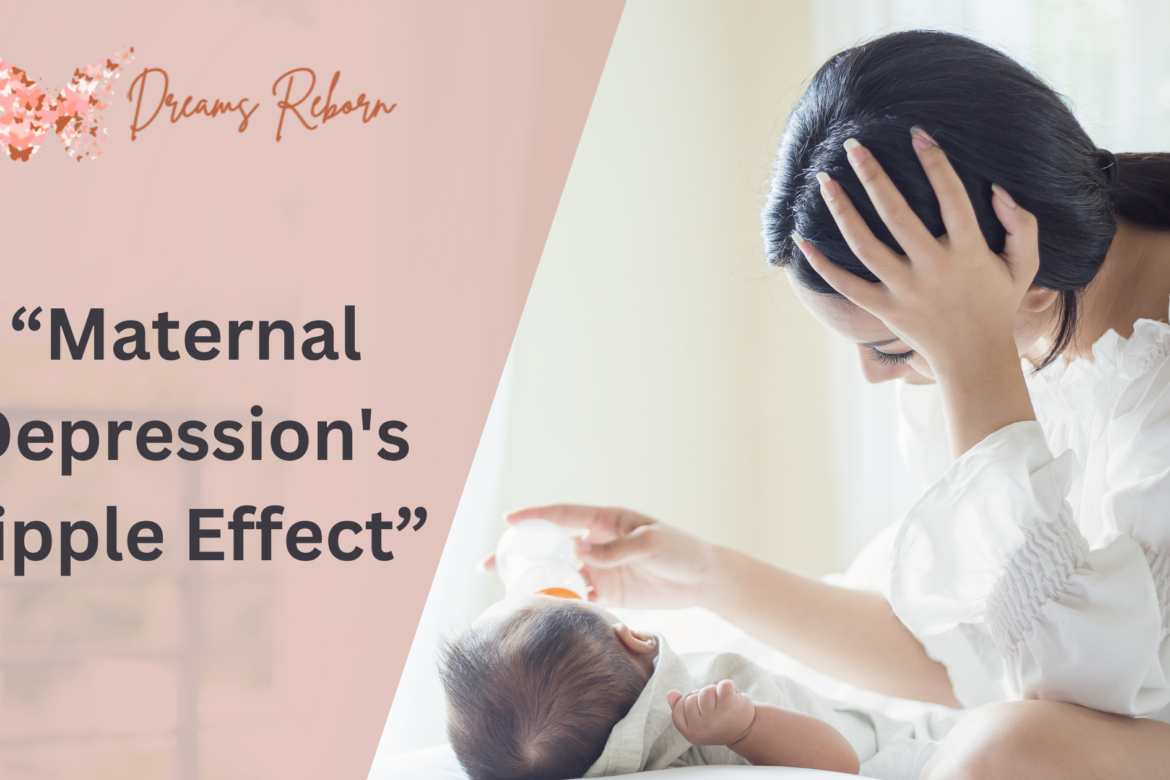
A mother’s depression can have a significant impact on both the infant’s sense of security and attachment, as well as their long-term psychological development. Several psychological theories and aspects can help us understand these effects.
1. Attachment Theory:
Attachment theory, developed by John Bowlby, emphasizes the importance of a secure attachment between infants and their primary caregivers (usually the mother) for healthy emotional and social development. A depressed mother may struggle to provide consistent and emotionally attuned caregiving, leading to disruptions in the establishment of a secure attachment bond. This can result in the infant feeling anxious, insecure, and less able to explore their environment.
2. Maternal Sensitivity:
Maternal sensitivity refers to a caregiver’s ability to perceive and respond appropriately to an infant’s cues and needs. Depression can impair a mother’s ability to be emotionally available and responsive to her infant’s signals. This lack of responsiveness may lead to the infant feeling ignored, causing distress and hindering the development of a strong sense of security.
3. Emotional Regulation:
Depressed mothers often struggle with their own emotional regulation, which can affect their ability to soothe and regulate their infant’s emotions. Babies rely on their caregivers to help them manage their emotions, and a mother’s difficulty in doing so can impact the infant’s emotional development and regulation skills.
4. Cognitive Development:
Postpartum depression may affect a mother’s cognitive functioning, including her ability to focus, problem-solve, and engage in enriching interactions with her infant. These cognitive deficits could limit the quality and quantity of stimulating interactions that are crucial for the infant’s cognitive development.
Long-Term Effects:
The effects of a mother’s depression on her infant’s attachment and psychological development can have lasting consequences:
- Insecure Attachment: Children with insecure attachment may struggle with forming healthy relationships and have difficulties regulating their emotions throughout their lives.
- Social and Emotional Difficulties: Infants exposed to maternal depression may be more prone to developing social and emotional difficulties, such as anxiety, depression, and conduct problems, as they grow older.
- Cognitive and Academic Challenges: Children of depressed mothers might experience cognitive delays and difficulties in school due to limited cognitive stimulation and emotional support.
- Interpersonal Challenges: These children might have challenges in forming and maintaining healthy interpersonal relationships, as their early experiences may shape their expectations of others and their own self-worth.
Importance of Dealing with Postpartum Depression:
Addressing postpartum depression is crucial for several reasons:
- Child Well-being: Early intervention and treatment for maternal depression can help mitigate its negative effects on infant attachment and development, setting a stage for their healthier psychological trajectory.
- Family Dynamics: Untreated postpartum depression can strain family relationships and lead to marital conflict, affecting the overall family environment.
- Maternal Well-being: Treating postpartum depression supports the mother’s mental health, enabling her to better engage in nurturing and responsive caregiving.
- Preventive Effects: Addressing postpartum depression may help prevent the escalation of psychological issues in both the mother and child over time.
- Public Health: Societal awareness and support for maternal mental health contribute to overall public health and well-being.
In summary, a mother’s depression can significantly impact infant attachment, emotional development, and psychological well-being, with potential long-term consequences. It is important to provide timely intervention and support to address postpartum depression, not only for the mother’s well-being but also for the healthy development of the infant and the family as a whole.
[/vc_column_text][/vc_column][/vc_row]